
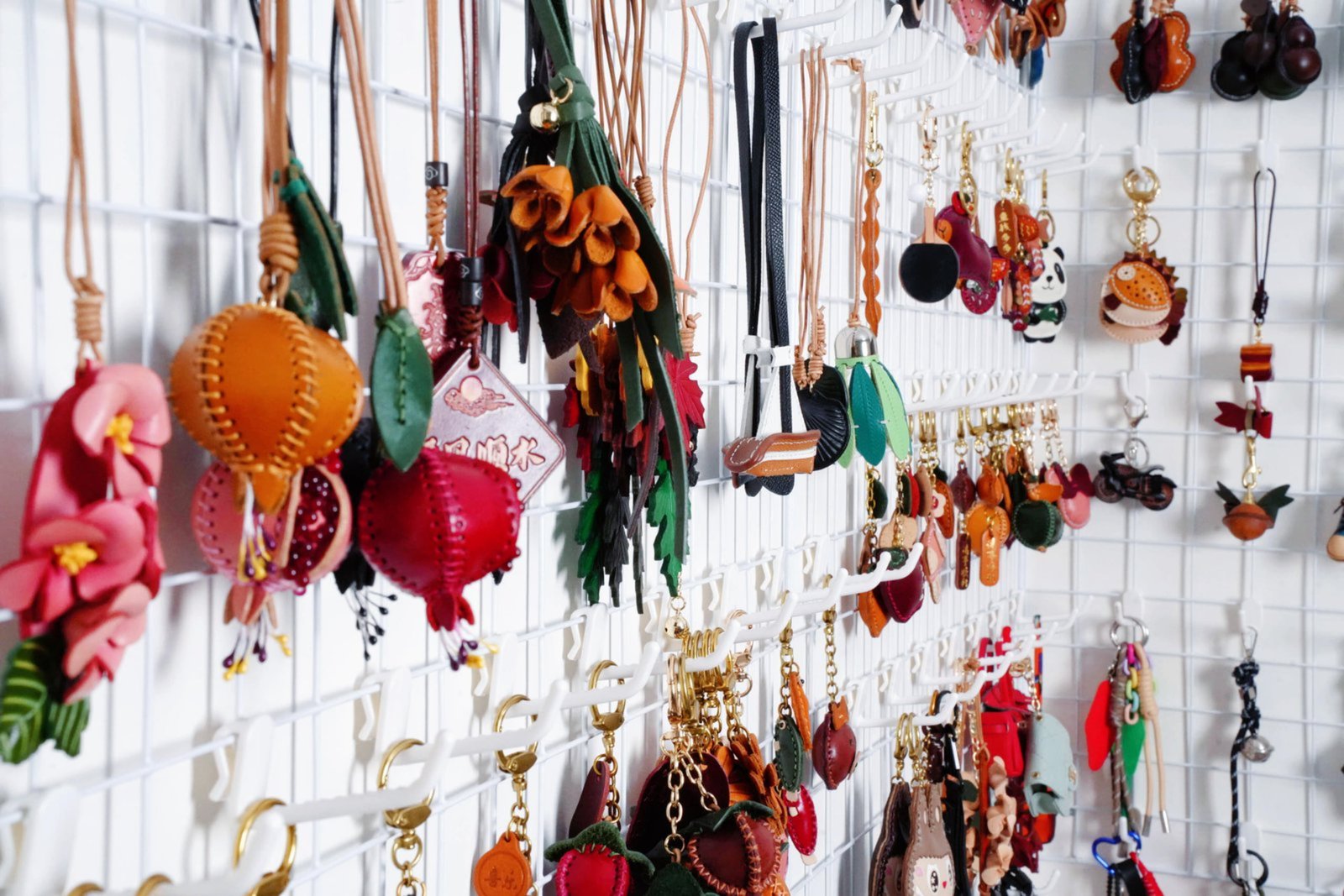
Are you struggling to find a reliable leather manufacturer? Bad partners ruin your brand reputation and waste your money. I will show you how to find the right supplier.
To choose the right custom leather bag charm manufacturer, you must evaluate their minimum order quantity (MOQ), material options, quality control experience, and production timelines. A good partner offers flexible MOQs, clear material choices, strict defect checks, and fast sample delivery.

Choosing a factory is hard, but you must know the hidden rules to survive. If you ignore these details, your next product launch will fail entirely.
What Is the Average MOQ for Custom Leather Bag Charms, and How Does It Affect Your Unit Cost?
High MOQs kill your cash flow. You want to test new designs, but factories demand huge orders. Let us fix this problem with clear cost rules.
The average MOQ for custom leather bag charms is 300 pieces per style and color. Your unit cost drops as your order size grows. This happens because fixed mold fees, material sourcing limits, and machine setup times are shared across more items.

I see many independent boutique owners worry about MOQs. They want custom bag charms but fear high costs. Let me break down the cost rules for you.
1. Fixed Cost Amortization
You must pay for molds when you make special hardware or shapes. This is a fixed cost. If your mold costs $100, a 50-piece order adds $2 to each charm. A 200-piece order adds only $0.50 per charm.
2. Material Sourcing Limits
Factories buy specific leather and hardware for your order. Material suppliers have their own MOQs. If a leather batch makes 300 charms, but you order 50, the factory wastes the rest. They will add this waste cost to your unit price.
3. Production Setup Time
Workers need time to set up machines for your new design. Setting up for 50 items takes the same time as setting up for 500 items. Larger orders mean better efficiency and lower labor costs per item.
| Cost Factor | Small Order (50 pcs) | Large Order (300 pcs) | Impact on Unit Price |
|---|---|---|---|
| Mold Fee | High share per item | Low share per item | Big drop in large orders |
| Material Waste | High waste cost added | No waste cost added | Much cheaper |
| Machine Setup | High labor cost share | Low labor cost share | High efficiency saves money |
Genuine Leather vs. Eco-Friendly PU: Which Material and Craftsmanship Match Your Brand Positioning?
Wrong materials confuse your customers. You might pick a cheap material and lose high-end buyers. I will guide you to match materials with your brand.
Genuine leather offers luxury, natural textures, and long life for high-end brands. Eco-friendly PU, especially microfiber leather, provides lightweight, vegan, and waterproof features for sustainable or fast-fashion brands. Your choice depends entirely on your target audience and core brand values.
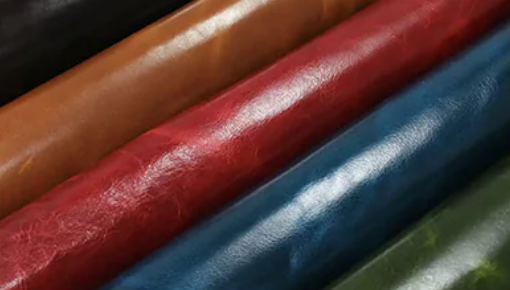
Material choice defines your brand. I always ask clients about their target buyers first. Let us look at the details of these two options.
The Luxury of Genuine Leather
Genuine leather comes from animal hides. It has unique natural patterns. It breathes well and stretches. If you care for it, it lasts for decades and gains a beautiful shine. We use complex tanning processes like vegetable tanning. This needs high artisan skills. I recommend this for luxury boutiques and premium corporate gifts.
The Innovation of Eco-Friendly PU
Eco-friendly PU is also called microfiber leather. It uses a 3D mesh structure like real leather. It is very soft and resists scratches well. Our factory uses low-pollution methods to make it. It is light and repels water. You can change colors and textures quickly. This fits modern sustainable brands, vegan lines, and trendy fast-fashion shops.
| Feature | Genuine Leather | Eco-Friendly PU (Microfiber) |
|---|---|---|
| Source | Animal hides | Polyurethane resin and base cloth |
| Best For | High-end luxury, classic items | Vegan brands, fast fashion |
| Key Benefit | Unique texture, ages beautifully | Lightweight, water-resistant, vegan |
| Craftsmanship | Complex tanning, high skill needed | Flexible processing, fast updates |
How Can You Ensure Quality and Combat the Common Defects in Bag Charm Mass Production?
Mass production defects destroy your profit margins. You wait months just to receive bad products. Let us explore how an experienced team prevents these disasters.
To ensure quality, you must work with experienced sales teams and established factories. A factory with years of export experience understands your brand needs quickly. They use strict checks to stop common defects like bad stitching, wrong colors, and weak hardware before they happen.

Quality control is hard. Many buyers face bad stitching or broken hardware. I have seen many brands lose money because of bad factory communication.
The Power of Experienced Communication
Our sales team has 13 years of B2B custom trade experience. We understand your brand easily. We do not guess. We talk clearly about your design needs before we start. Good communication stops mistakes early.
Factory Production Control
Our factory started making export leather goods in 2015. We have rich experience in mass production. We know where defects usually happen. We check the leather edges, the thread strength, and the hardware plating.
Preventing Common Defects
We use a simple step-by-step check. We inspect raw materials first. We check the items during sewing. We do a final check before packing. This means you only receive perfect bag charms for your retail store.
| Defect Type | Factory Solution | Benefit to Your Brand |
|---|---|---|
| Bad Stitching | Experienced workers and daily checks | Clean and premium look |
| Hardware Rust | Quality plating and material tests | Long product life |
| Wrong Colors | Clear early communication by experts | Matches your brand design |
What Is the Timeline for Samples to Mass Production, and How Do You Get Started Today?
Slow production makes you miss market trends. You need fast samples to test your ideas. I will explain the exact timeline to launch your product.
The timeline for custom leather bag charms is fast. Samples take 7 to 15 days to finish. Mass production takes 25 to 40 days. The exact time depends on your design difficulty, craft requirements, and total order quantity.
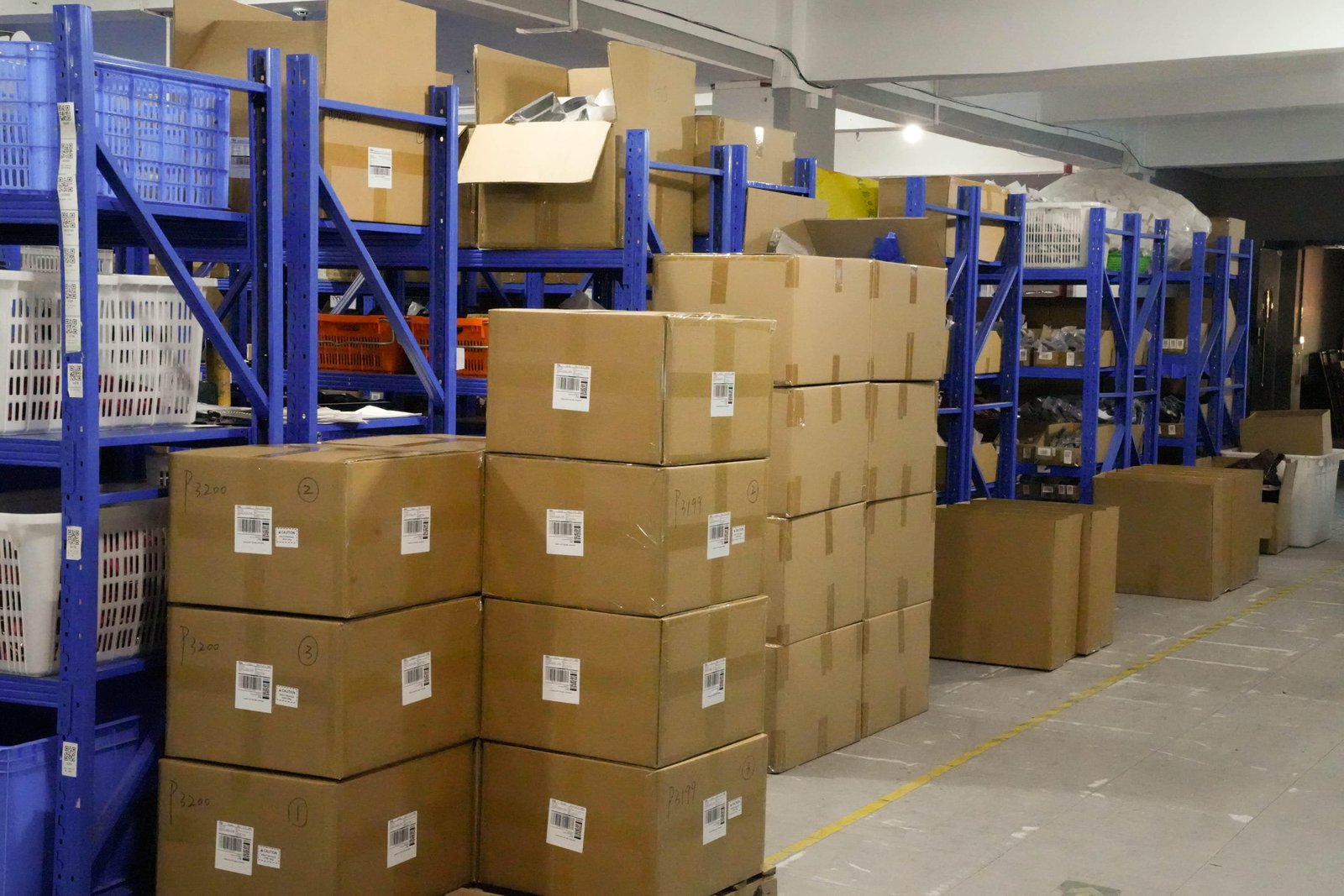
Time is money in retail. Independent boutiques and pet brands need fast turnarounds. We use a sample-first strategy to help you succeed faster.
Fast Sample Prototyping
We make high-quality samples in 7 to 15 days. You can see the real product quickly. This helps you test the market with very low risk. You do not need to buy large stocks first.
Flexible Mass Production
After you approve the sample, we start bulk orders. This takes 25 to 40 days. If your design has complex 3D shapes or special hardware, it takes a bit longer. Larger quantities also need more time. We keep our supply chain agile. We support small and large flexible orders.
How to Start
Send us your design idea or reference picture. We will discuss the details and make a sample plan for you.
| Production Stage | Estimated Time | Key Factors Affecting Time |
|---|---|---|
| Sample Making | 7 to 15 days | Design details, hardware sourcing |
| Mass Production | 25 to 40 days | Order size, craft difficulty |
| Total Time | 32 to 55 days | Fast approvals speed up the process |
Conclusion
Choosing the right manufacturer requires checking MOQs, materials, quality control, and timelines. Find a partner with fast samples and flexible production to build your custom leather brand safely today.