Finding unique handicrafts is tough. Most suppliers just add a logo to existing items. You need a partner who can create truly custom products from your unique ideas.
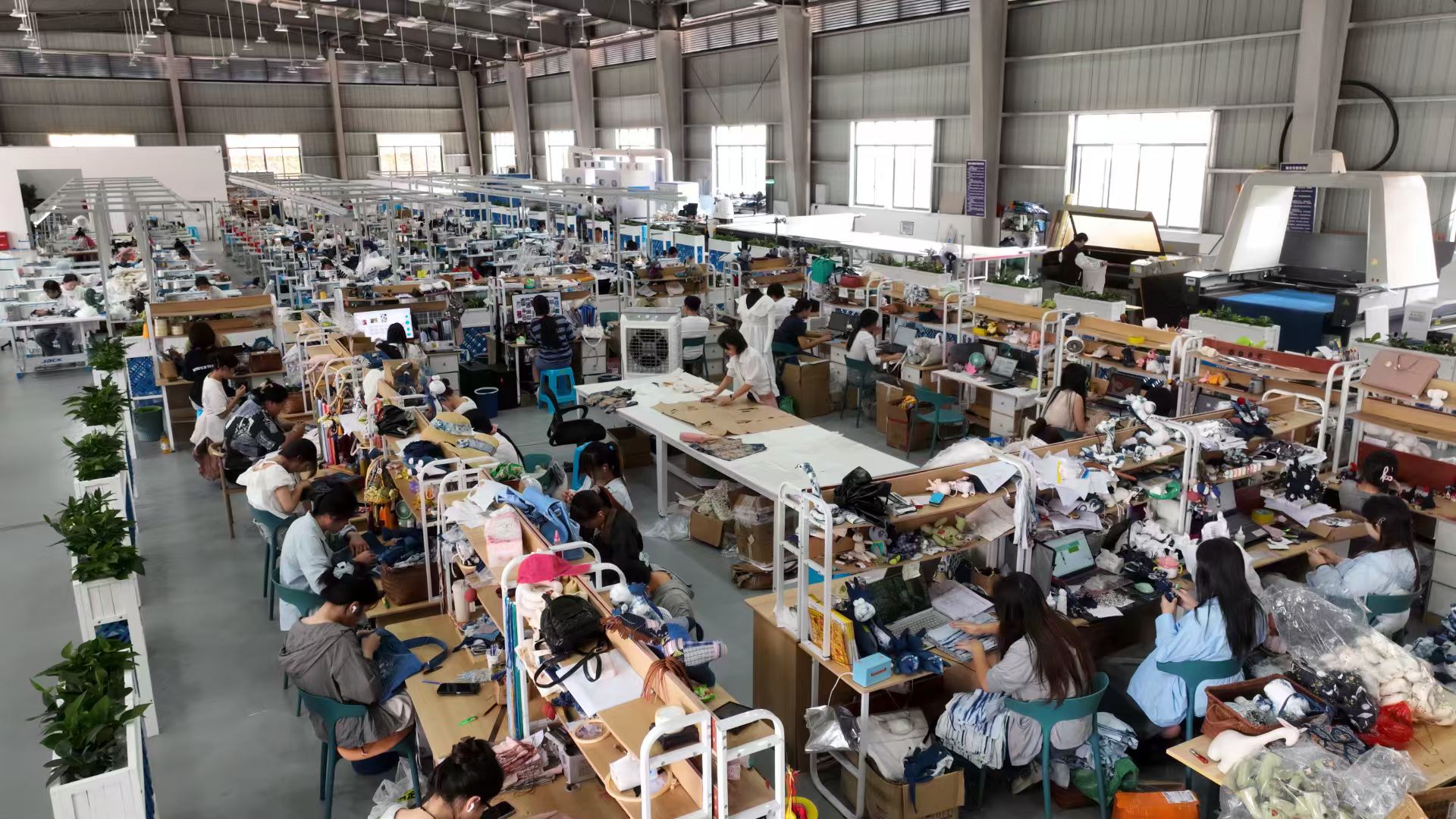
To order truly custom handicrafts, you need a supplier with integrated capabilities. This includes in-house design to turn your ideas into reality, strong sampling processes, and a stable, scalable production line that handles complex crafts under one roof, ensuring consistent quality from small to large batches.
I've seen so many brands get stuck in this cycle. They have a brilliant idea for a unique product line, but they hit a wall when they start looking for suppliers. It feels like everyone offers "customization," but it's really just private labeling. You want more than that. You want a partner who can bring your vision to life. So, let's look at what real customization means and how you can find it.
What Does “Custom Handicrafts in Bulk” Actually Involve From Design to Production?
Have a great idea for a handicraft but unsure how to make it? The journey from concept to finished product can feel complex. A true partner simplifies this entire process.
True custom production is a full-service process. It starts with a design consultation to understand your idea. Then, it moves to sketching and material selection, followed by sampling and costing. After your approval, it goes into production, quality control, and finally, packaging and shipping.
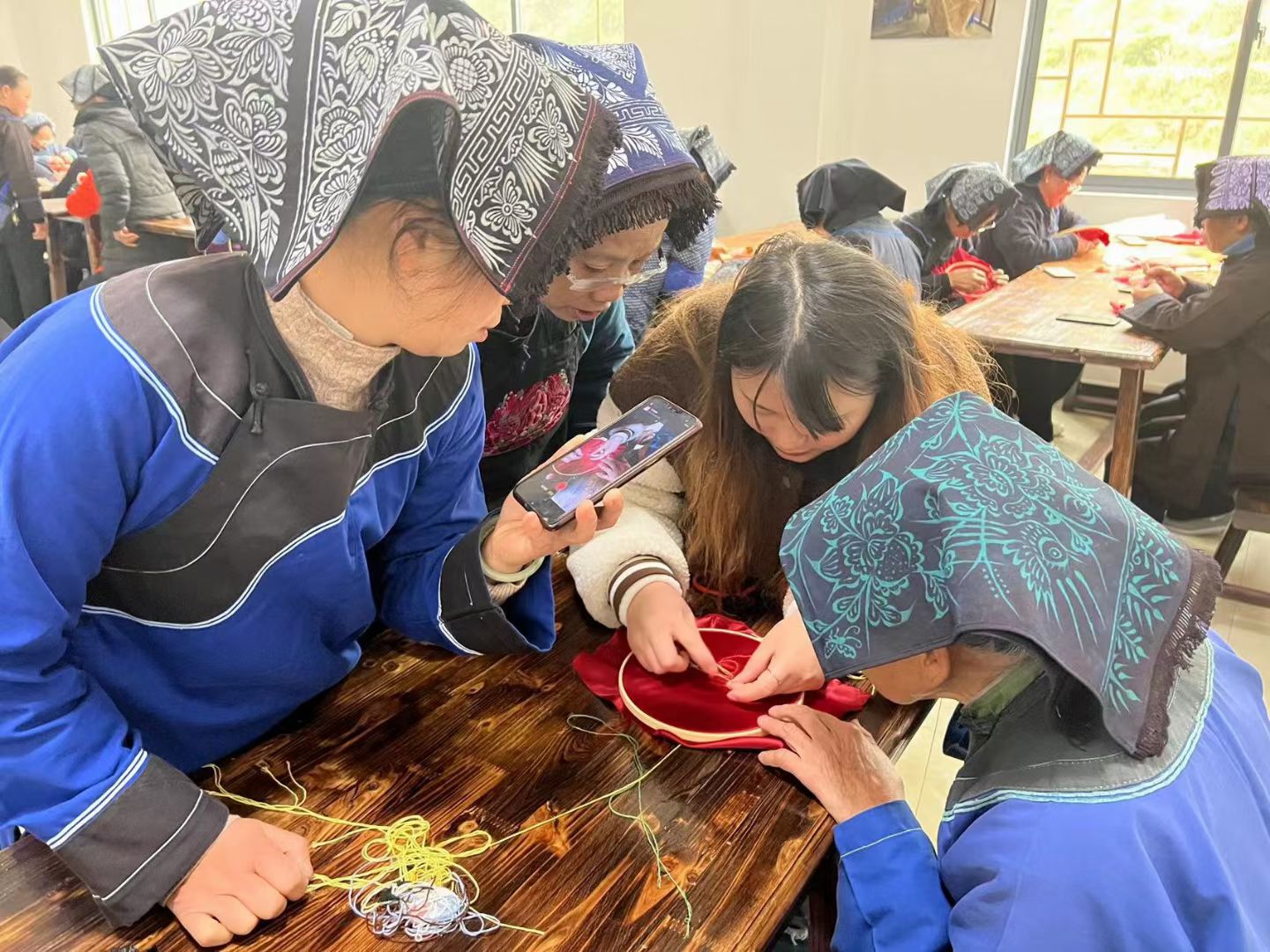
The journey from an idea to a bulk order of custom handicrafts is a multi-stage process. It's not just about making something; it's about a partnership. A capable supplier handles every step under one roof to ensure consistency. This is crucial because, as I've learned, having to coordinate between different factories for one product is a recipe for disaster. The quality becomes unpredictable, and costs spiral out of control. A single, integrated partner is the only way to guarantee stability and quality, especially for complex handmade items.
Here’s a breakdown of what that integrated process looks like:
| Stage | What It Involves | Why It's Important |
|---|---|---|
| 1. Design & Consultation | The supplier understands your vision, brand, and target customer. They help turn your abstract ideas into concrete, manufacturable designs. | This ensures the final product aligns with your brand, not just a modification of their existing products. It is the foundation for uniqueness. |
| 2. Sampling & Costing | A physical sample is created for your approval. The supplier provides a clear and detailed cost breakdown for bulk production. | This lets you see, feel, and test the product before committing to a large order. It also guarantees price transparency and helps you plan your budget. |
| 3. Production & QC | The supplier manages their skilled artisans to produce your order, with strict quality checks implemented at multiple stages of production. | This guarantees consistent quality across hundreds or thousands of handmade items, which is one of the biggest challenges in this industry. |
| 4. Shipping & Logistics | The partner handles professional packaging, documentation, and communication for shipping. They can even assist with complex customs clearance. | This ensures your products arrive safely, on time, and without logistical headaches, allowing you to focus on selling. |
How Do You Tell If a Supplier Can Really Produce Custom Handicrafts From Scratch?
Many suppliers say they offer "custom" services. It's difficult to know who can truly create from scratch. You can identify a genuine partner by looking for specific key signs.
A true custom supplier will ask detailed questions about your brand and design ideas. They will show you examples of past OEM/ODM projects, not just their own catalog. They also have a clear, transparent process for sampling and are willing to create a unique prototype for you.
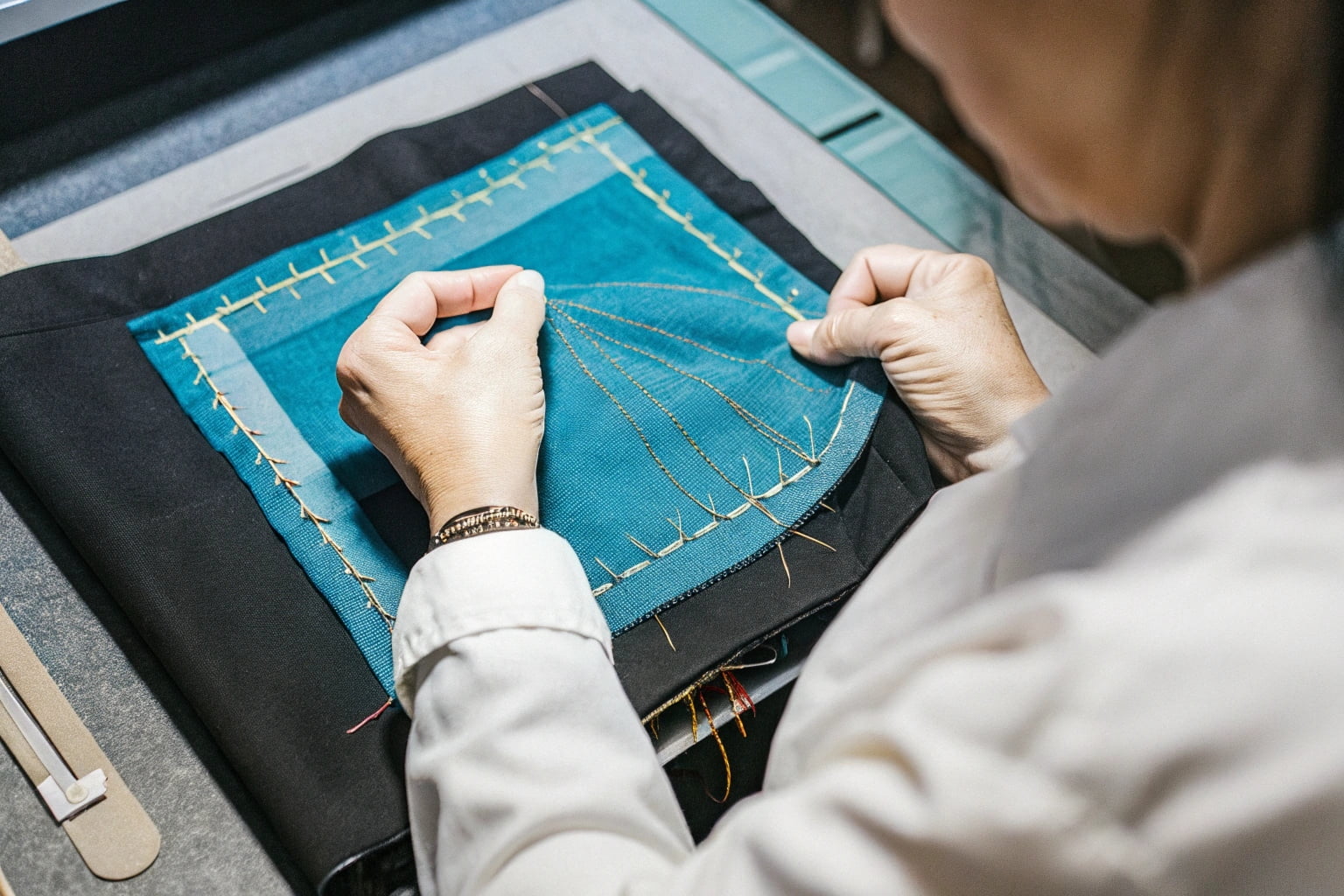
Differentiating a true custom manufacturer from a simple wholesaler is the most important step for your brand. I remember early in my career, I almost partnered with a supplier who showed me a beautiful catalog. But when I asked to change the embroidery pattern on a doll, they hesitated. It became clear they were just a middleman who couldn't control the production process. A real manufacturing partner, on the other hand, will welcome your creative ideas and have the infrastructure to execute them. They see your unique request as an opportunity, not a problem.
Here are the key things to look for:
They Ask "Why," Not Just "What"
A genuine partner wants to understand your brand's story. They'll ask about your target audience, your brand aesthetic, and your goals for the product. Their questions show they are thinking like a partner, not just a factory taking an order. They are invested in creating a product that will actually succeed in your market.
Their Portfolio Shows Diversity
Look at their past work. Do they only show their own branded products? Or can they show you diverse examples of products made for other brands (OEM/ODM projects)? A strong portfolio with different styles, materials, and techniques proves their design and production flexibility. It shows they can adapt to a client's vision, not just sell their own.
They Have a Clear Sampling Process
Ask them to walk you through their sampling process from start to finish. A reliable supplier will have a structured system for creating a prototype, getting your feedback, making revisions, and finalizing the design before any bulk production begins. This process protects both you and them and is a sign of professionalism and experience.
What Is the Safest Way to Start a Bulk Custom Handicraft Order Without Overcommitting?
Ready to launch a custom product but worried about the risk? A large initial order can be scary and expensive. The solution is to find a partner who supports small-batch testing.
The safest way is to partner with a supplier that offers low Minimum Order Quantities (MOQs). Start with a small test batch to validate your design and check market response. This minimizes your financial risk while allowing you to quickly gather real-world feedback before scaling up.
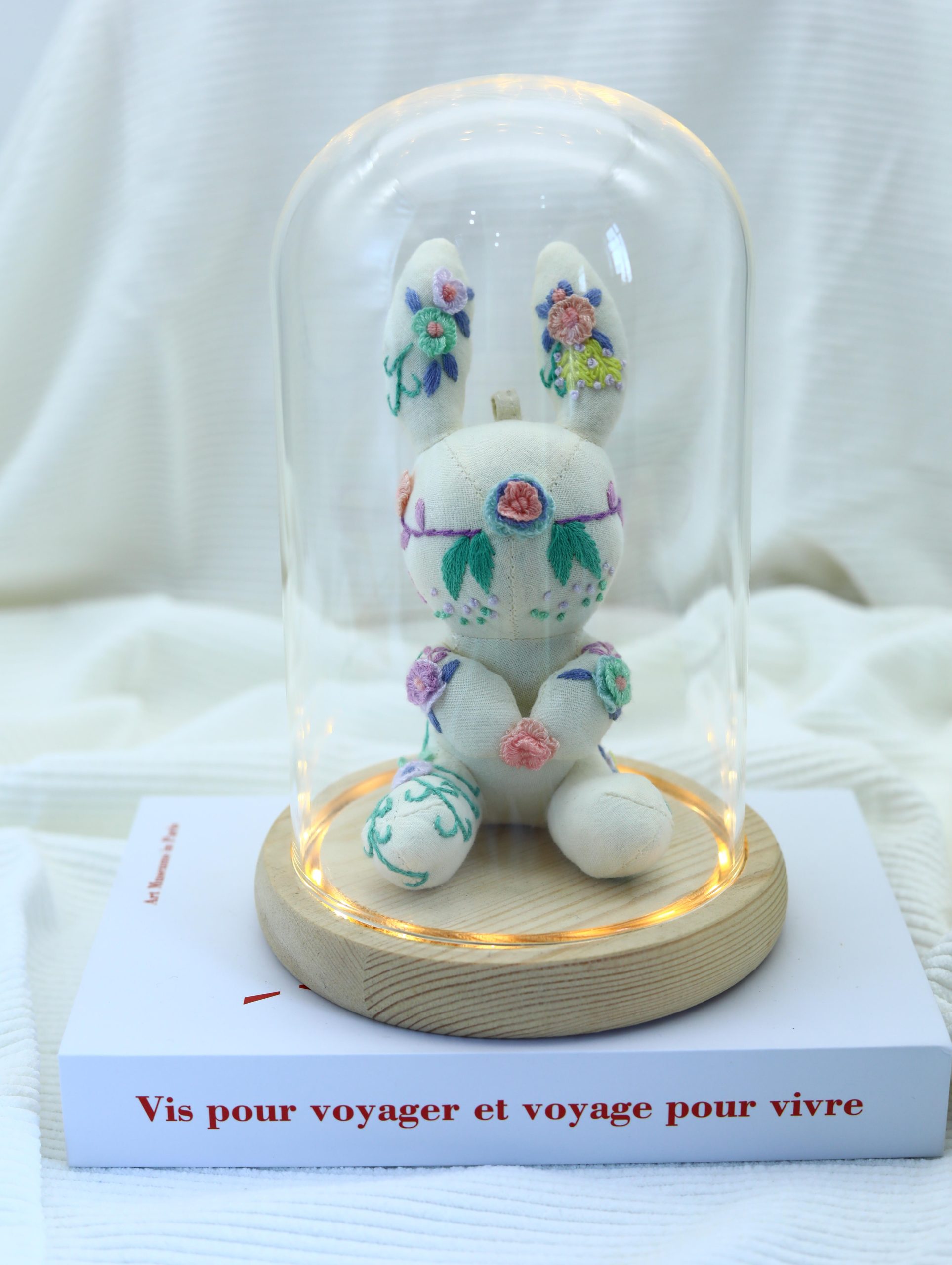
The fear of a large, unsold inventory is real. I've spoken to many brand owners who are hesitant to invest in a new product line for this exact reason. The best manufacturing partners understand this. They aim to build long-term relationships, and that starts with helping you succeed at a small scale first. They know that if your initial launch is a success, you will come back with larger orders.
Start with a Pilot Program
The key is to find a supplier who can handle both small and large batches. Here's why this flexibility is so important:
- Market Testing: A small order lets you test your new product with your actual customers. You get invaluable feedback on design, quality, and price point with minimal financial risk.
- Process Validation: It allows you to go through the entire custom manufacturing process with the supplier on a smaller scale. You can confirm their communication, quality, and delivery times are as promised.
The Importance of Scalability
Once your test batch proves successful, you need a partner who can quickly scale up production to meet growing demand. A supplier that can only do small batches is just as limiting as one that can only do large ones. Make sure they have the production capacity and skilled workforce to grow with your brand. Of course, this is a two-way street. The clearer your design ideas and feedback are, the smoother this entire process will be. Success in custom manufacturing is always a team effort.
Conclusion
Finding a true custom handicraft partner is about more than production. It's about finding an integrated team that can design, sample, and scale your unique vision into reality.