"Sustainability" is everywhere, but what does it really mean? It can be confusing to know who to trust. We believe it's about action, not just words.
For Igiftus, true sustainability rests on three pillars. We use eco-friendly materials and plant dyes, empower our artisan communities with fair work, and preserve traditional Chinese craftsmanship. It’s a complete circle of care for planet, people, and culture.

That might sound good on paper, but how does it work in practice? We want to show you exactly what this commitment looks like. It all begins with the very threads we use.
How Do Our Materials Support Environmental Sustainability?
Worried about harmful chemicals in your products? This can damage your brand's reputation and the planet. We choose natural fabrics and plant dyes for a truly green solution.
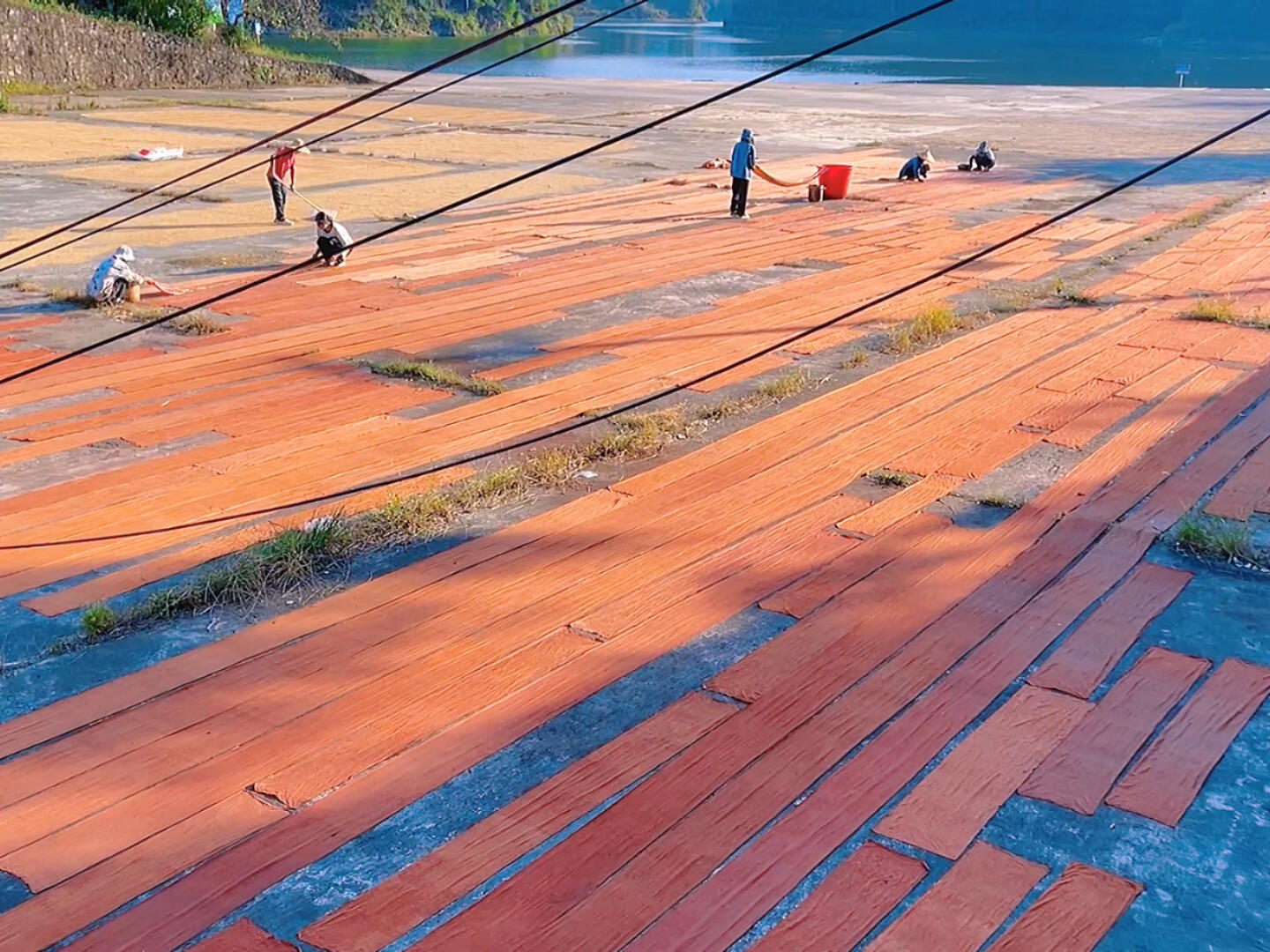
We support environmental sustainability by using only natural materials like cotton and silk. Our traditional plant-dyeing process avoids harsh chemicals, protecting water sources and creating products that are safe, beautiful, and genuinely eco-friendly from the very start.

When we started Igiftus, we knew our commitment to the environment had to be real. It couldn't just be a label. That's why we looked to the past for our methods. The modern textile industry often relies on chemical dyes that pollute rivers and can be harsh on the skin. We do things differently. We use dyes made from plants, roots, and flowers, a technique that has been used for centuries. This process is gentle on the earth. The wastewater is clean, and the colors are rich and alive. We pair these natural dyes with natural fabrics like cotton, hand-woven cloth, and pure silk. These materials are renewable and biodegradable. For your business, this means you can confidently tell your customers that your products are made with respect for our planet. It’s a powerful story that resonates with today’s conscious consumer.
Choosing Earth-Friendly Threads
The difference between our method and mass-market production is clear. It’s a choice between a process that takes from the earth and one that works with it.
| Feature | Chemical Dyeing | Igiftus Plant Dyeing |
|---|---|---|
| Source | Petroleum-based synthetic compounds | Plants, roots, flowers, and leaves |
| Environmental Impact | High water pollution, non-biodegradable | Low impact, biodegradable, clean water |
| Final Product | Uniform, can contain harsh residues | Unique, natural color variations, hypoallergenic |
This commitment to natural materials isn't just about being "green." It results in a higher quality product. The fabrics feel better, the colors have more depth, and each piece has a unique character that machines can’t replicate.
How Do We Empower Our Artisan Communities?
Sourcing ethically at scale seems impossible. You worry about factory conditions and inconsistent quality. Our model directly supports over 2,600 artisans, ensuring ethical production every time.
We empower our artisan communities by offering flexible, work-from-home opportunities to embroiderers in Guizhou's mountains. This provides a stable income, allowing them to support their families without leaving their homes. It’s economic empowerment that honors their way of life.

When I first traveled to the mountains of Guizhou, I saw incredible skill. Generations of women had perfected the art of hand embroidery. But I also saw a lack of opportunity. Young people were leaving for the cities, and this amazing craft was at risk. We knew we had to build a different kind of business. We don't have a central factory. Instead, we partner with more than 2,600 skilled embroiderers who work from their own homes. We provide the materials, designs, and training, and they work on their own schedules. This allows them to earn a fair, stable income while caring for their children and elders. It keeps families together and brings economic stability to their entire village. This model is the heart of our company. It's how we can offer consistent, high-quality handmade products at scale. Our artisans are our partners, and their well-being is our success.
Weaving a Stronger Community
Our model directly challenges the traditional factory system. We believe a better way is possible, one that prioritizes people.
| Aspect | Traditional Factory Model | Igiftus Artisan Model |
|---|---|---|
| Work Location | Centralized, often far from home | In the artisan's own home and village |
| Flexibility | Rigid schedules, long hours | Flexible, self-managed hours |
| Community Impact | Can lead to migration and family separation | Strengthens local economy, keeps families together |
For our wholesale and brand partners, this provides an authentic story of empowerment. You can be certain that your products are made ethically and that your business is contributing to a sustainable livelihood for thousands of artisans. This is a story your customers will be proud to support.
How Are We Preserving Traditional Craftsmanship?
Do your products feel generic and soulless? Consumers are searching for items with a real story. We embed centuries-old Chinese craftsmanship into every design, giving your products true depth.
We preserve traditional craftsmanship by making it relevant today. Each hand-embroidered piece carries the legacy of ancient techniques passed down through generations. This turns a simple product into a piece of living history, connecting customers to a rich cultural story.

Hand embroidery is more than just a skill; it’s a form of cultural heritage. In China, these techniques tell stories of history, nature, and community. But in a world of fast fashion and mass production, these arts are in danger of being forgotten. Our mission is to keep this heritage alive. We work with our artisans to apply these ancient stitches to modern designs, from home decor to fabric dolls. Each product becomes a small piece of art. It carries the touch of the person who made it and the weight of a tradition that is hundreds of years old. By creating a global market for these handcrafted goods, we provide a vital reason for these skills to be passed down to the next generation. We are not just making products; we are acting as custodians of a beautiful and important part of Chinese culture.
Every Stitch Tells a Story
The value of a handcrafted item goes far beyond its physical form. It holds a story that mass-produced goods simply cannot match.
| Feature | Mass-Produced Item | Igiftus Handcrafted Item |
|---|---|---|
| Origin | Anonymous factory assembly line | A specific artisan in their home community |
| Story | A story of efficiency and volume | A story of heritage, skill, and empowerment |
| Customer Connection | Low, disposable, and impersonal | High, valued, and deeply personal |
For lifestyle brands, retailers, and wholesalers, this is a powerful point of difference. Your customers are not just buying a doll or a bag. They are buying a piece of culture. They are supporting an artisan and her family. They are helping to preserve a timeless craft. This is a story that builds brand loyalty and sets you apart in a crowded marketplace.
Conclusion
For us, sustainability is not a marketing term. It is our promise to the planet, our commitment to our people, and our dedication to preserving our beautiful culture.